
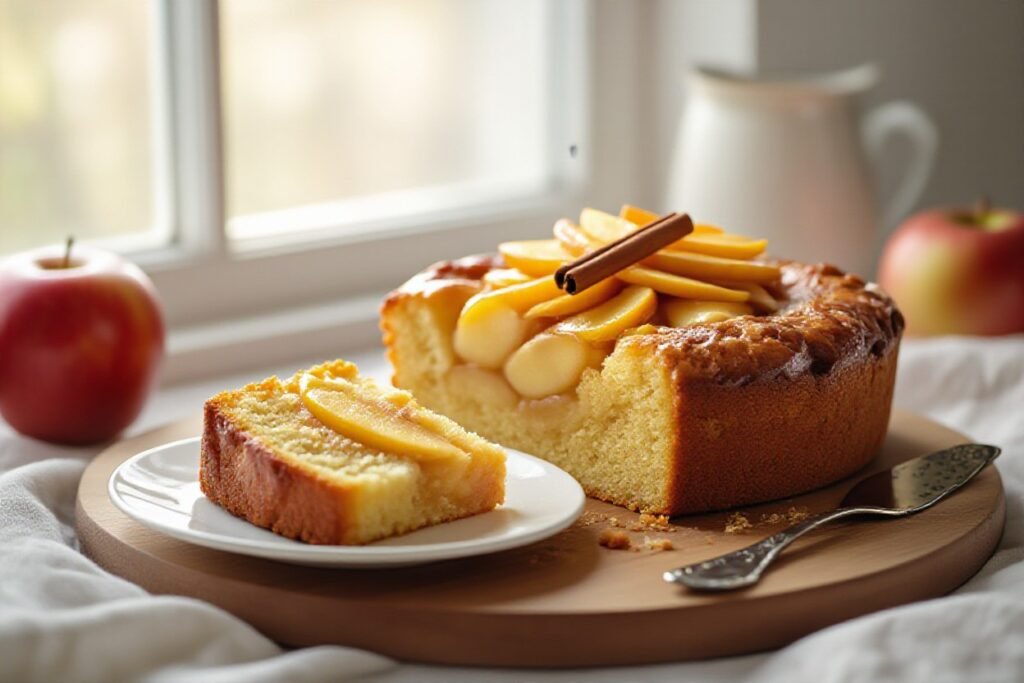
It’s the best keto apple cake you’ll ever make, hands down. I tested low-carb flours, swapped sugar for monk fruit and tweaked bake times so the texture’s light and the apples sing, you get real Sharlotka vibes without the carb hangover. Want a dessert that fits your macros and still impresses guests? Yes, you can have both. So follow along – I’ll show you how to pull it off with simple swaps and easy steps you can repeat.
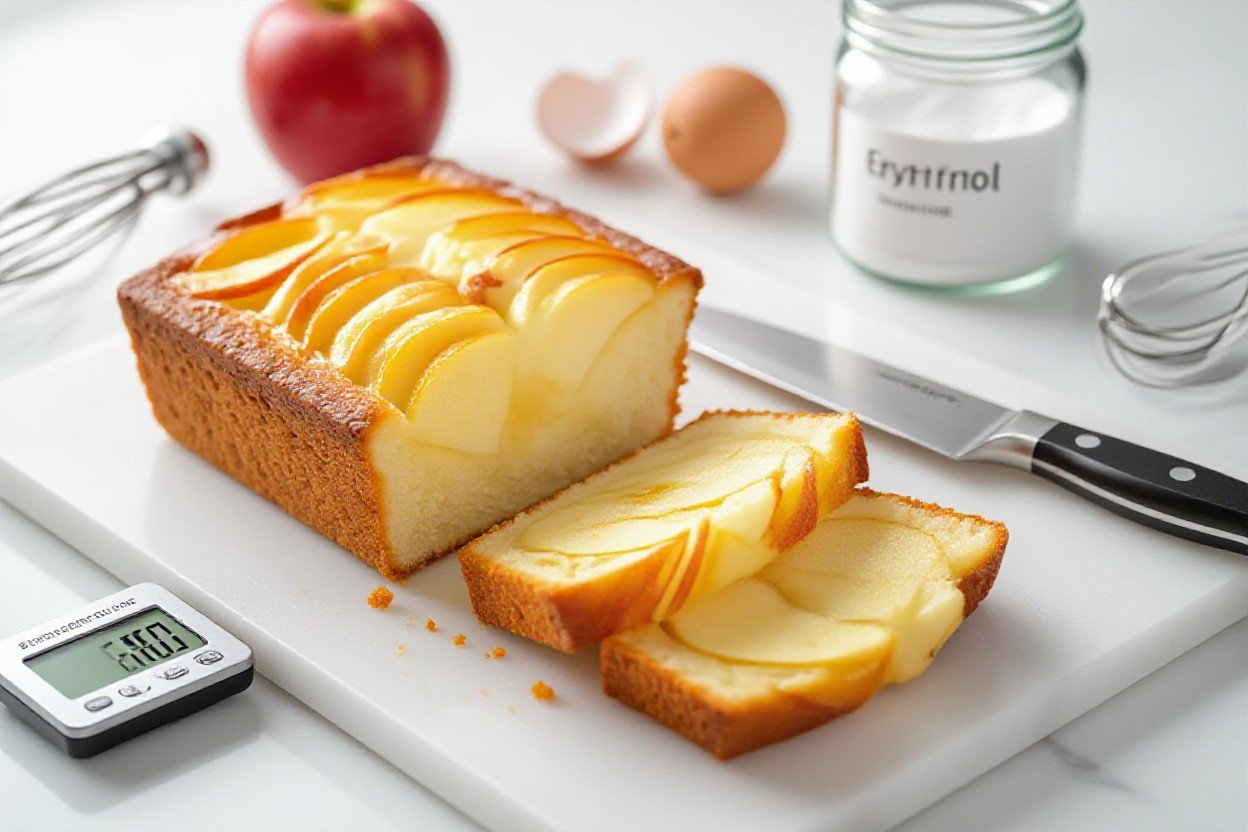
Key Takeaways:
With keto baking exploding lately, low-carb takes on classics like sharlotka are all over feeds and recipe blogs, and yeah people are actually nailing it more than you’d expect… almond or coconut flour plus erythritol or monk fruit is the new normal.
If you use lots of eggs and a touch of psyllium or xanthan you get that cake-y rise instead of a dense blob; apples are the tricky bit so use tart varieties sparingly or swap in lower-carb fruit.
Less sugar doesn’t mean less joy.
Flavourwise, you gotta play up spices and fat – butter or coconut oil and a hit of lemon zest make the low-carb swaps taste alive, it’s surprising how a little cinnamon fools your brain into thinking it’s the real deal.
Want it moist? Fold whipped egg whites into the batter for lift and lightness; sounds extra but it’s worth it. And keep an eye on bake time – almond flour browns faster so tent with foil if the top’s done but the center still jiggles.
Macros matter – if you pile on apples or maple-style syrup you lose the point, but a modest slice can fit right into a keto day; check your sweetener and fruit amounts so the carbs stay low.
Serve smaller portions topped with unsweetened whipped cream or a dollop of sour cream and a few berries – decadent but controlled. That’s how you get the comfort-food vibes without wrecking your macros.
What’s Sharlotka Anyway?
Most people expect a fussy cake, but Sharlotka is basically apples, eggs, a touch of flour and sugar – that’s it, and somehow it turns into this light, custardy sponge that I keep coming back to. I use 3-4 tart apples, whisk eggs for 2-3 minutes until foamy, fold in dry ingredients, and bake about 30-40 minutes; you get a tender crumb and concentrated apple flavor without any fuss. Want a dessert that’s honest and forgiving? This is it.
A Quick History
Surprisingly, the name nods to the French “Charlotte” but Sharlotka really grew in Russian and Soviet home kitchens, especially mid-20th century when cooks prized simple, seasonal recipes. I learned it from family lore – wartime and postwar cooks stretched staples into desserts, so apples and eggs became a go-to; Soviet cookbooks later cemented it as a national favorite. Today it’s both retro and timeless, showing how resourceful cooking becomes tradition.
How It Became a Popular Dessert
Oddly, its popularity didn’t come from chefs but from practicality: it’s fast, uses cheap apples, and survives variations, so cafeterias, home bakers and cafes all adopted it. I see it on tea tables and menu boards because it feeds a crowd-one 9-inch pan serves 6-8-and requires minimal skill, which helps when you need dessert in a hurry. Isn’t that the dream?
People kept passing the recipe down, and small tweaks made it evergreen – grated apples, cinnamon, even booze for special occasions.
It’s the dessert that fits every kitchen.
So whether you tweak for keto with almond flour and erythritol or stick to the classic, Sharlotka adapts, and that’s why you still find it everywhere.
Why Go Keto with Sharlotka?
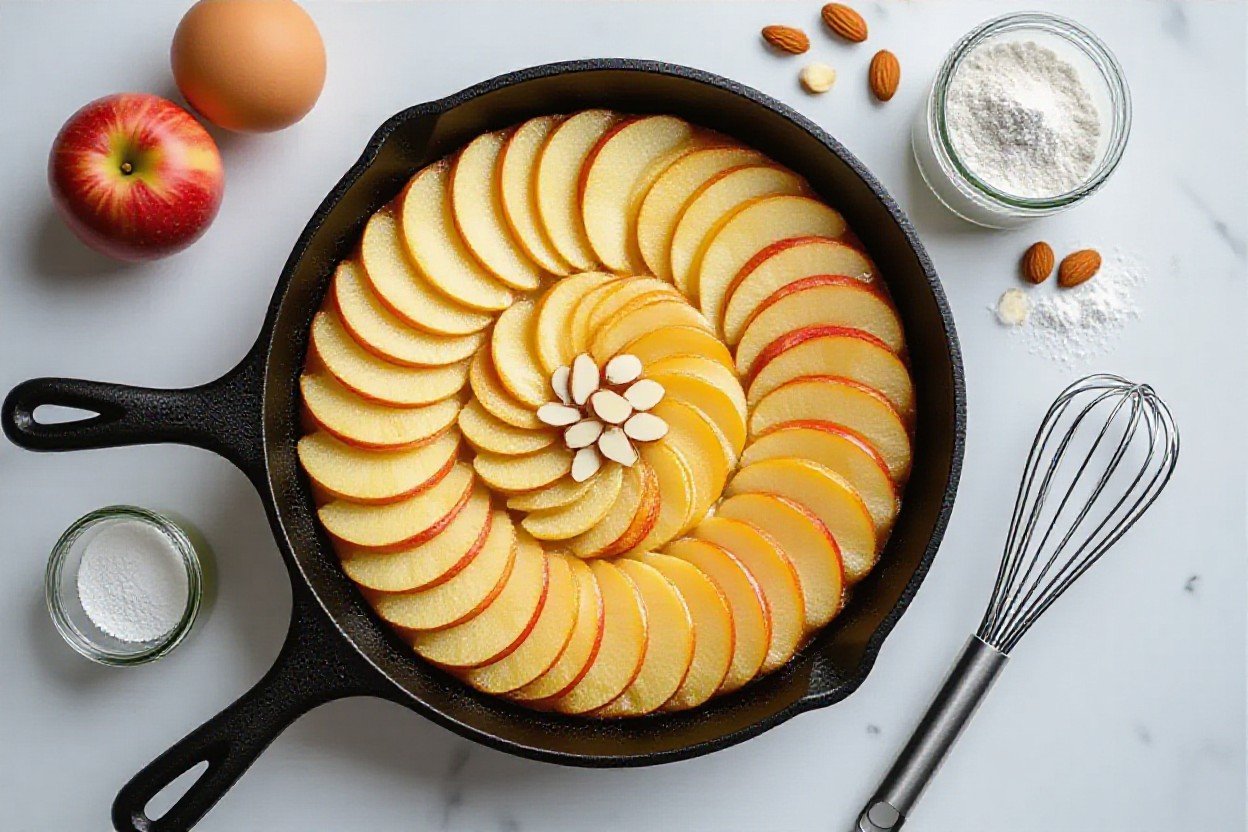
Surprisingly, you can get that classic airy Sharlotka while slashing carbs by about 70% when you swap wheat for almond meal and erythritol – I did it and the texture stayed light, the apples still sing. If you want another grain-free take on apple desserts, check this Low Carb Apple Upside Down Cake, Grain Free, Sugar Free for different techniques and sweetener ratios you’ll like.
The Perks of Keto Baking
Oddly, keto baking often boosts protein while cutting carbs – my Sharlotka slices land around 6-8g net carbs and 7-9g protein depending on eggs and almond flour. I love that fats from butter or coconut oil keep the cake moist so you don’t miss sugar, and it browns nicely at 175°C (350°F). You get steadier energy and a dessert that actually fits into a low-carb day.
How It Fits into Your Diet
Surprisingly, Sharlotka can slot into breakfast or dessert without wrecking ketosis – one slice roughly 250 kcal, 8g net carbs and 12g fat if you use almond meal and butter. I often pair it with plain yogurt or coffee to spread carbs across a meal, and you can scale portions: halve a slice post-workout or eat a full one when your daily carbs allow.
Because portion control and timing matter, I plan Sharlotka around my carb window – if I’m keeping to 20g net carbs/day, a 6g slice fits after dinner and leaves room for veggies. I track macros: 1/8 of the recipe – about 180-260 kcal depending on nuts and oil – gives roughly 6-10g protein, 7-9g net carbs and 12-18g fat. If you’re active, eat it post-workout to refill glycogen; if you monitor glucose, test 1-2 hours after a slice, my readings rise modestly then settle fast thanks to the fiber and fat. You can swap sweeteners like monk fruit or allulose to lower glycemic impact even more.
The Real Deal About Ingredients
Surprisingly, you can halve the carbs and still get that classic sharlotka lift and apple tang. I use 3 large eggs, about 120g almond flour (roughly 1 cup), 30g coconut flour (about 1/4 cup), 1/2 cup erythritol or monk fruit blend, 1 tsp baking powder, 1 tsp cinnamon, 1 tsp vanilla and 30g melted butter, plus one small tart green apple grated (around 70g) to keep texture without drowning the cake in sugar. It holds, it browns, and it tastes like the real thing.
What You’ll Need
You don’t need a pantry overhaul – just a few targeted swaps. I always have 3 large eggs, 120g almond flour, 30g coconut flour, 1/2 cup granular erythritol or 1:1 monk fruit, 1 tsp baking powder, 1 tsp cinnamon, 1 tsp vanilla, 30g melted butter and one small tart green apple grated for moisture. Measure the coconut flour carefully – it’s thirsty – and have a tablespoon of psyllium or 1-2 tsp xanthan on hand if you want extra structure.
Substitutes for a Healthier Twist
Believe it or not, you can swap nearly everything without wrecking the classic profile. I swap almond flour for sunflower seed flour if nuts are an issue, use 1:1 erythritol or monk fruit for sugar, trade butter for 30g avocado oil or light olive oil, and sometimes replace the grated apple with 70g grated zucchini plus a splash of lemon for tang. Want it fluffier? Add 1 extra egg white.
In my tests, flour swaps change everything – especially texture and moisture. Coconut flour is not a 1:1 swap.
So if you replace 120g almond flour with coconut flour, use about 1/3 the amount and add an extra egg or 30-50g liquid to compensate. And if you use sunflower seed flour you might get a greenish tint when mixed with baking soda – still tasty, just different. I also prefer monk fruit when I want zero cooling effect, but erythritol works fine if you don’t mind a slight chill on the tongue.
Let’s Get Cooking – The Steps
Sunday morning I’ve got three tart apples, a 6-inch springform pan and about 20 minutes before guests arrive – what now? I preheat the oven to 170°C (338°F), grease and line the pan, because for this size 35-40 minutes is typical but I always test at 30 minutes with a toothpick. If you want a taller cake use an 8-inch and add 8-10 minutes, or halve the apples for a lighter crumb.
Mixing it Up
Standing at the counter with a bowl and a scale I whisk 3 eggs for roughly 2 minutes until slightly frothy, then add 120g almond flour, 40g erythritol, 1 tsp baking powder and 1 tsp vanilla and fold gently – overmixing will tighten the crumb. I stir in 60g sour cream (or Greek yogurt) for moisture, then fold in two thinly sliced medium apples so the batter-to-apple ratio stays balanced.
Baking Magic
You slide the pan into the preheated oven at 170°C and set the timer for 30 minutes, then check every 5-7 minutes; for my 6-inch pan it usually finishes at 35-40 minutes. If the top darkens too quickly I tent foil after 15-20 minutes, and a clean toothpick with a few moist crumbs means it’s done, not wet batter. I let it rest a bit in the pan before loosening the ring.
Pulling a golden-top Sharlotka from the oven I tweak temp and time based on pan and oven type – dark or glass pans need a 10-15°C drop and a few minutes less, convection ovens often cut 8-10 minutes. Cooling in the pan for 20-30 minutes is my rule so the crumb sets and slices cleanly. Want a softer center? Slice after 20 minutes; prefer firmer, wait until room temp.
Tasting it Right – Serving Suggestions
I guarantee this keto sharlotka tastes like the real thing even with almost no sugar. I serve it warm or chilled; a warm slice with a spoon of full-fat Greek yogurt or unsweetened whipped cream balances the tartness nicely. I often add 1/4 cup raspberries (about 3 g net carbs) or a tiny smear of sugar-free jam to enhance fruit notes. It’s surprisingly decadent.
Pairing it with Low-Carb Options
I pair slices with bold drinks or simple savory sides so the sharlotka stays the star. Try an espresso or a bulletproof coffee, or a small ricotta bowl with lemon zest; a 1 oz handful of almonds gives crunch with roughly 3 g net carbs. Mix and match portions and you can keep breakfast or dessert under about 10 g net carbs depending on what you add.
Adding Some Yum with Toppings
I top with cinnamon, toasted nuts, or a dollop of mascarpone to boost texture and flavor. Two tablespoons of whipped cream (~100 kcal) or a light sprinkle of powdered monk fruit works if you want sweet without carbs. You can also drizzle a sugar-free caramel or toss on toasted pecans for richness – simple, quick, effective.
For more depth I like a warm berry compote: simmer 1/2 cup mixed berries with 1 tsp erythritol and 1 tbsp water for 3-5 minutes – that yields roughly 4 g net carbs. I also whip ricotta with a splash of vanilla and 1 tsp powdered monk fruit for a creamy, tangy topper. Toppings make the difference.
My Take on Storage and Leftovers
Compared to store-bought sweets that lose their zip in a day, my keto sharlotka holds up surprisingly well if you handle it right. I slice it into 8-10 portions, layer with parchment in an airtight container and refrigerate for 3-4 days; for longer storage I freeze individual slices up to 8 weeks in freezer-safe bags. Reheat gently – 10-12 minutes at 325°F or 20-30 seconds in the microwave – and it comes back nice and tender.
How to Keep it Fresh
Unlike sugary cakes that weep moisture, low-sugar almond-flour sharlotka benefits from tight sealing: wrap slices in plastic or use a glass container with a good lid to limit air exposure. I don’t frost until serving and I keep it out of direct light and humidity; room temp’s fine for up to 24 hours but beyond that put it in the fridge for 3-4 days. If you want longer life, flash-freeze slices on a tray first then bag them.
Creative Ways to Use Leftovers
Instead of the same-old reheated slice, I turn leftovers into quick breakfasts and desserts – think chopped into a yogurt parfait with 1/2 cup full-fat Greek yogurt and a sprinkle of chopped pecans, or dipped in an egg-cream mix and pan-fried as keto French toast. You can also crumble a piece over chia pudding for texture or serve warmed with a scoop of keto vanilla ice cream; small changes, big payoff.
Compared to tossing day-old cake, I prefer repurposing: for French toast whisk 1 large egg with 2 tbsp heavy cream, soak each slice 10-15 seconds per side, then pan-fry 1-2 minutes each side in butter until golden. For a parfait layer 1/2 cup Greek yogurt, one crumbled slice, 1 tbsp chopped walnuts and a dusting of cinnamon – quick, low-carb, and it stretches one cake into several meals.
Summing up
Taking this into account I often make this Keto Healthy Sharlotka when I want a quick low-carb dessert after a busy day, and you can taste the apples and almond flour without feeling deprived. I tweak sweetener and spices to suit my mood, so it’s flexible. Want an easy crowd-pleaser? Try it. You’ll see how simple swaps keep your macros on track and still feel like baking – good old comfort food, but smarter.
More interesting recipes in my blog https://puredessertjoy.com/best-keto-lemon-bread/
More interesting products https://linktr.ee/wealthelena