
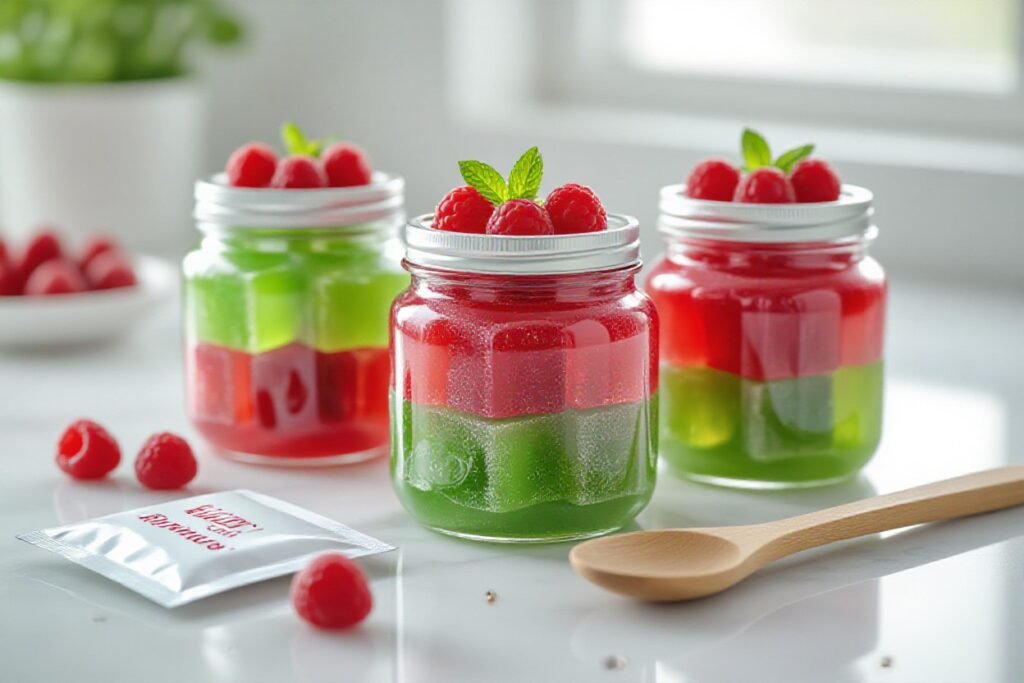
Over the past year keto dessert jellies have popped up everywhere, and I’ve been tinkering with recipes so you can enjoy a sweet treat without blowing your carbs, I test textures, sweeteners and flavors – it’s been fun and messy, but worth it. Want something that fits your macros and actually tastes good?
They’re surprisingly simple.
I walk you through simple swaps, timing tips and flavor hacks so you can make jellies that feel like a treat, not a compromise.
Key Takeaways:
Plain unflavored gelatin has vitally zero carbs and about 6-7 grams of protein per tablespoon. So it’s the perfect backbone for keto jellies, you get that wobble and mouthfeel without a carb bomb, yep – you can have dessert and stay in ketosis. Use low-carb liquids and you’ll barely notice you skipped the sugar.
Zero carbs, big satisfaction.
Use erythritol, monk fruit, or stevia to sweeten – they keep the sweetness without adding net carbs. Want a fruity note? A few raspberries or a splash of lemon juice adds flavor without wrecking your macros, just don’t flood it with fruit if you’re counting.
Bloom gelatin in cold liquid for about 5 minutes before heating for a silkier texture, and chill long enough so it sets firm – quick tricks make it feel homemade not gummy. And if you want creaminess, stir in a little coconut cream or mascarpone after the gelatin cools a touch, it lifts the mouthfeel and keeps things interesting.
Why Jellies Are My New Keto Obsession
Jellies are the easiest way I’ve found to keep dessert fun and totally keto-friendly. I can make a batch in 20 minutes that gives me texture, bright flavors and portion control, and they travel great for snacks – no forks, no fuss. You get that candy-like satisfaction without the sugar spike, and I’ve cut my evening sweet cravings by at least half since I started swapping a nightly square instead of a bowl of ice cream.
The Sweet Science Behind Keto Jellies
I bloom gelatin for 5 minutes in cold liquid then warm gently to dissolve – that’s the baseline; typically 1-2 tbsp gelatin per 2 cups liquid gives a firm set. If you want plant-based, 1 tsp agar powder per cup sets firmer and tolerates heat. I use erythritol with a pinch of monk fruit or stevia to mask cooling notes, and I add acidic flavors like lemon after the gelatin blooms since acid weakens gel strength.
What Makes These Jellies Guilt-Free
I keep each jelly under 2g net carbs and around 20-30 calories by using low-carb sweeteners and adding collagen for protein. For example, a 12-piece batch using 1 cup berry puree and erythritol usually ends up about 25 kcal and 1-2g net carbs per piece, so you get dessert without wrecking your daily macros or blood sugar.
And there’s more – erythritol is imperatively non-glycemic at typical doses and monk fruit is zero-cal, so the sweeteners don’t count against your carb target. But you still have to watch fruit: a quarter cup of raspberries adds roughly 3-4g carbs, so I balance puree volume and portion size. I also limit erythritol per batch to avoid that cooling hit, and I sometimes swap in a little collagen for satiety and a protein bump.
My Top 3 Go-To Keto Jelly Recipes
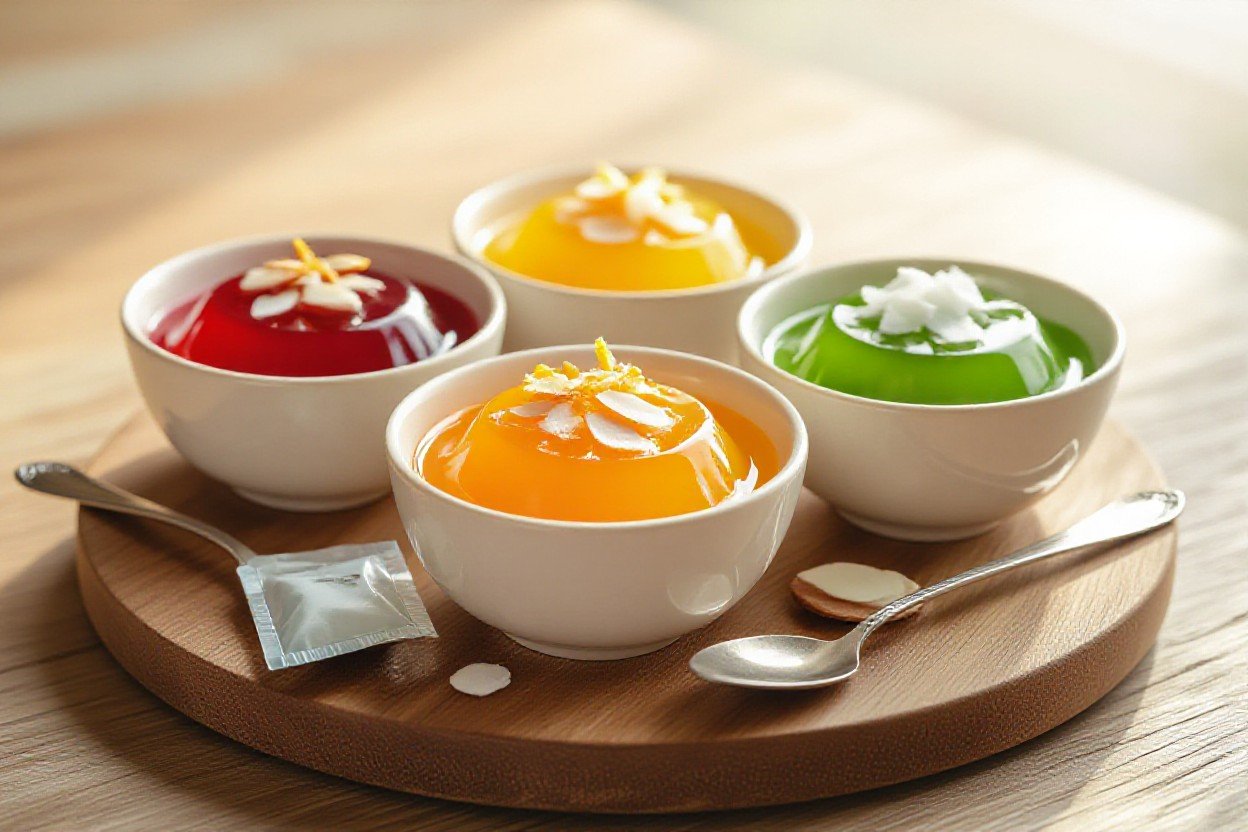
Many folks assume keto jellies are dull, but I get lively desserts with simple swaps. I rotate three fail-safe recipes: Berry Blast, Zesty Lemon-Lime, and Creamy Coffee; each batch yields about 8 servings and takes 15-20 minutes active time. I typically use 1 tablespoon unflavored gelatin per cup for a firm set, erythritol or stevia to sweeten, and fresh zest or extracts for punch. Want variety? I swap herbs, swap citrus, or add a splash of alcohol for adults-only versions.
Berry Blast Jellies You Can’t Resist
Think berries are too carby for keto? I don’t buy it. I puree 1/2 cup mixed berries (roughly 4-6g net carbs) with 1 cup water, 1 tablespoon gelatin and 2 tablespoons erythritol, which makes eight 1/2-cup servings at under 1g net carb each. The result has real fruit flavor and bright color; toss in a tablespoon of chia or a few whole raspberries for texture if you like a little chew. Seriously, it’s dessert that feels indulgent but won’t wreck your macros.
Zesty Lemon-Lime Jellies That Pop
Some say citrus wrecks gelatin, but I get a perfect set by balancing acid and protein. I use 1 tablespoon gelatin per cup of liquid, about 1/4 cup fresh lemon-lime juice per 2 cups total liquid, plus 1-2 teaspoons zest and 1-2 tablespoons erythritol or 8 drops liquid stevia; split into 8 servings and net carbs sit around 1g each. Bright, tangy, and excellent with a tiny pinch of sea salt to lift the flavors.
If you worry tart batches will be runny, that’s valid-acid can weaken gelatin, so I either dilute the juice with water or swap to agar. Agar sets reliably in acidic liquids: use about 1 teaspoon agar powder per cup, bring to a boil and simmer 1-2 minutes to activate, then cool; it gives a firmer, clearer jelly and sets at room temperature in under an hour. I refrigerate for 2 hours and usually eat within 4-5 days for best texture.
Seriously, How Do You Make These Jellies?
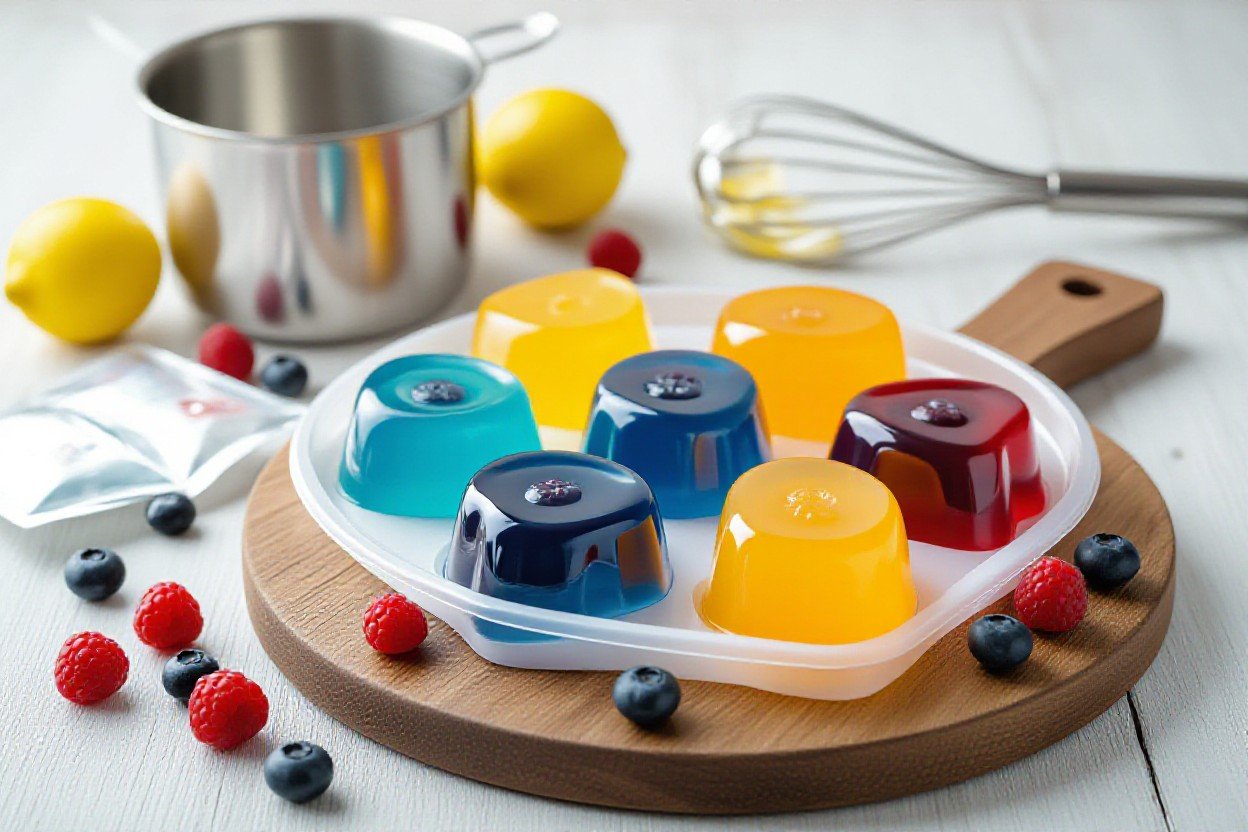
You’d think jellies need fancy gear, but I whip them up in a small saucepan in under 10 minutes. I bloom gelatin, heat cream or berry puree with a bit of sweetener, stir until smooth, then pour into molds and chill 2-4 hours. For flavor templates I often follow Sugar-Free Raspberry & Cream Jellies | KetoDiet Blog, then tweak sweetness to taste.
Easy Steps to Whip Up Keto Jellies
I keep it to five simple steps: bloom the gelatin in cold water, warm your liquid to dissolve the sweetener, whisk in the gelatin off heat, taste and adjust, then pour into molds and refrigerate. I usually let them set 2-4 hours; overnight gives the best texture. Want firmer? Use about 1 tablespoon gelatin per 2 cups liquid.
Key Ingredients You’ll Need
I stick to plain unflavored gelatin, a low-carb sweetener like erythritol or allulose, full-fat cream or coconut milk for body, and fresh or frozen berries for flavor; a splash of lemon juice brightens everything. I also add vanilla or a few drops of extract for depth. These basics keep carbs low while giving great texture and mouthfeel.
Plain gelatin has crucially zero carbs and about 6-7 grams protein per tablespoon, so it boosts texture and satiety. For ratios I use roughly 1 tablespoon gelatin per 2 cups liquid for a firm set, or 1 teaspoon per cup for a softer jiggle. Sweetener-wise I start with 1-2 tablespoons erythritol per cup or about 1/4 teaspoon concentrated stevia, then adjust – fruit sweetness varies, so taste as you go.
Tips & Tricks For Perfect Jellies Every Time
Some folks think jellies are fussy and need special kitchen sorcery, but I get great results with simple tweaks – timing and temperature matter way more than fancy tools. I test batches at 10 minute intervals, use cold-proof molds, and sweeten with stevia or erythritol to taste; ever tried adding a splash of lemon to sharpen flavors? Want a quick guide?
- Bloom gelatin in cold water for 5 minutes
- Heat, don’t boil, to 140°F-ish before adding sweetener
- Chill at least 3 hours for firm set
Assume that small tweaks-like a teaspoon of lemon or that Easy Keto Jello – from scratch! method-change everything.
Common Mistakes to Avoid
People often blame gelatin when texture goes wrong, but the usual culprit is temperature or concentration; I see too many folks boil the mix and destroy bloom. Don’t rush the chilling step, and don’t under-measure gelatin – 1 tablespoon per 2 cups gives a firm set, 2 teaspoons per cup for softer wobble. Also, watch acidic additions: too much citrus can weaken the gel, so test ratios rather than guessing.
How to Customize Your Flavors
Many assume only fruit flavors work, but you can do herbs, teas, and extracts with great results; I pair mint with lime, basil with strawberry, and chamomile with honey-flavored sweetener. Start by infusing your liquid (steep 5-10 minutes), strain, then proceed as usual; for extracts use drops since they’re potent. Curious? Try 1 teaspoon vanilla per 2 cups for a custardy note.
I often experiment with texture by blending in a few tablespoons of unsweetened yogurt or cream cheese after cooling to room temp, which makes creamy jelly cups-blend until smooth, then chill. For fruit chunks, fold in once the gel is half-set so they don’t sink. I jot down ratios each run; that way I replicate winners and ditch flops fast.
What’s the Best Way to Store These Jellies?
Fridge, freeze and labeling
Chill first, label, and you’ll save yourself headaches later. I keep my keto jellies in airtight glass containers in the fridge at about 4°C/40°F and they stay great for 7-10 days. If you need longer, flash-freeze them on a tray, then bag flat – they’ll keep up to 8 weeks but can get a bit weepy after thawing. I separate layers with parchment, never leave jars at room temp over 2 hours, and always date them so you know when to eat or toss.
Why I Think You Should Try Keto Jellies
What convinced me
My recipe clocks roughly 2g net carbs per serving, versus about 30g in a traditional sugar jelly, so swapping them can shave nearly 28g from your daily carb total. I noticed less afternoon cravings and steadier blood sugar when I ate these – gelatin and MCT oil give texture and satiety without the spike. Want a dessert that fits your macros and still feels indulgent? You can tweak flavors, add berries sparingly, and keep it quick – I do it all the time.
Final Words
Taking this into account I’ve noticed a recent trend: people swapping sugary desserts for healthy keto jellies that actually taste good. I make them all the time and you can too, they’re quick, low-carb, and surprisingly satisfying. Want a sweet fix without the crash? I tweak flavors with berries, lemon and a touch of erythritol so your dessert feels special, not like a sacrifice.
Pingback: A creamy, high-protein banana milkshake to boost energy
Pingback: Light, fluffy, and sugar-free—enjoy a healthy Zefir dessert