

You know how keto desserts have totally blown up on Instagram lately, and everyone swears theirs is “just like the real thing”? I got tired of dry, weird-tasting cakes, so I started playing around with a lighter, healthier spin on the classic Napoleon cake that still feels kind of fancy.
In this post, I’ll walk you through how I make my Napoleon Healthy keto cake at home so you can keep your carbs in check without giving up that creamy, flaky vibe you crave.

What’s the Deal with Keto Cakes?
You might be surprised that a slice of keto cake can have under 5 grams of net carbs while a regular slice easily tops 40, yet still taste rich, moist and totally dessert-worthy. I lean on almond or coconut flour instead of wheat, swap sugar for erythritol or stevia blends, and dial up fats with butter and cream so your blood sugar stays steady, not spiking like it would after typical bakery cake.
Why They’re Gaining Popularity
What blows people away first is how they can drop weight or keep blood sugar in check and still eat cake on a Tuesday afternoon. I see it all the time in readers who track their macros: they fit a 300-calorie keto slice with 4 grams of net carbs into their day, stay in ketosis, and feel full for hours, so keto cakes end up replacing those old 500-calorie sugar bombs without the 3 pm crash.
The Differences Between Regular and Keto Cakes
The wild part is that the biggest difference isn’t even taste, it’s the way your body responds to each bite. Regular cakes rely on wheat flour and sugar, so you get a fast glucose spike, insulin rush, then that sleepy craving for more, while keto cakes flip that script by using low carb flours and sugar alcohols that barely nudge your blood sugar but still feel like a proper treat.
When you break it down, a standard bakery slice might have 50 grams of carbs, 30 from sugar alone, whereas a well-built keto cake I share with you usually lands under 6 grams net carbs and doubles the fat, so you stay satisfied longer. Instead of gluten-based structure, I lean on almond flour for density, coconut flour for dryness control, plus extra eggs to keep it tender, so the texture is slightly different, more like a cross between cheesecake and sponge cake. And because there’s no traditional sugar caramelizing, flavors come from vanilla, espresso, cocoa, real butter, even a pinch of salt on top, which means your palate gets actual depth instead of just sweet-on-sweet. You’ll notice frosting shifts too: classic buttercream is loaded with powdered sugar, while my keto version uses powdered erythritol or allulose, a bit of cream cheese, and sometimes mascarpone, so it tastes lush without that sticky, cloying finish that makes you crash later.
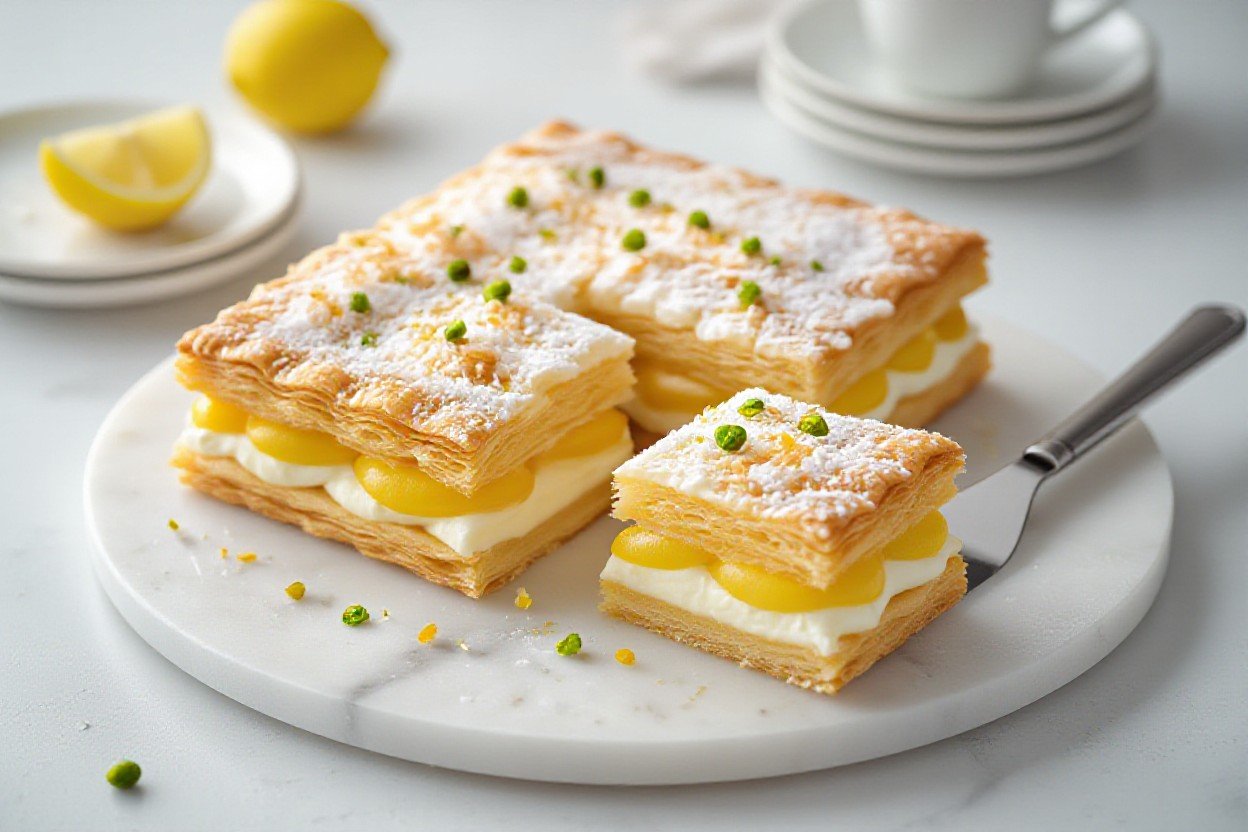
My Take on the Ingredients
Ever bite into a keto dessert and think, why does this taste like diet food? That’s exactly what I wanted to avoid with this Napoleon cake, so I cherry-picked ingredients that actually behave like the classic version. I’m talking almond flour for real structure, a touch of coconut flour to keep it from getting soggy, and a rich mix of butter and cream that gives that bakery-style mouthfeel. When these pieces click together, you get layers that stay crisp, filling that stays silky, and carbs that stay low.
Must-Have Keto-Friendly Ingredients
Which ingredients actually pull their weight in a keto Napoleon and which are just hype? For the pastry layers, I lean hard on super-fine almond flour plus 1-2 teaspoons of coconut flour per cup to keep things light. Real butter (not margarine) brings that flaky, pastry vibe, while heavy cream and full-fat cream cheese create a custard-style filling that sets beautifully. A pinch of xanthan gum keeps everything from crumbling so your slice looks like a fancy patisserie piece, not a pile of crumbs.
Sweeteners That Actually Work
What makes a keto cake taste like dessert and not a science experiment? For this recipe, I mostly use a powdered erythritol-monk fruit blend because it measures close to sugar and doesn’t spike your carbs. A tiny bit of pure stevia can help round out the flavor if you like things sweeter. Granulated sweetener goes into the pastry, powdered into the cream layers so you don’t get that gritty texture. It’s all about balancing sweetness without that weird aftertaste.
In practice, I’ve found that using about 20-25% less erythritol blend than regular sugar keeps the sweetness spot-on without that cooling effect hitting too hard. If you’ve ever had a cold-feeling bite of cake, you know what I mean. I also like mixing brands sometimes, like half allulose and half erythritol, because the combo tastes closer to regular confectioners sugar and browns more evenly in the pastry. For the custard layer, powdered allulose melts beautifully into hot cream, so you get this glossy, smooth texture that feels super indulgent even though the net carbs stay impressively low.
How to Whip Up This Delicious Napoleon Cake
Compared to a typical high-carb Napoleon, this keto version feels almost too easy once you see the flow: crisp almond flour layers, quick mascarpone cream, then a slow chill so everything firms up without getting soggy. I like to prep my layers first, bake them in two batches at 170°C, cool them fully, then stack with cream while they’re still slightly tender so the edges stay flaky and your slices cut clean and sharp.
Step-by-Step Recipe Guide
| Step | What You Do |
|---|---|
| 1. Make the dough | Start by whisking 120 g almond flour, 30 g coconut flour, 25 g powdered erythritol, and a pinch of salt, then cut in 80 g cold butter and 1 egg until it clumps into a soft dough you can press together with your hands. |
| 2. Chill and roll | Chill the dough for 30 minutes, split it into 6 equal balls, then roll each one between parchment sheets into thin rectangles, roughly 2 mm thick, because super thin layers give you that classic Napoleon bite. |
| 3. Bake the layers | Bake the rolled sheets at 170°C for 9-11 minutes until lightly golden at the edges, then cool completely on a rack so they crisp up instead of steaming and going soft in the middle. |
| 4. Whip the cream | Beat 250 g mascarpone with 200 ml heavy cream, 30-40 g powdered sweetener, and 1 tsp vanilla until thick and fluffy, stopping as soon as peaks form so the cream spreads smoothly without turning grainy. |
| 5. Assemble the cake | Layer pastry and cream one by one, using about 3-4 tbsp filling per layer, then lightly press the stack so it levels out, cover the top with a thin coat of cream, and chill at least 4 hours for neat, bakery-style slices. |
Tips for Perfecting Your Cake Layers
Like the difference between a flat pancake and a flaky croissant, the magic in this cake lives in how you treat those skinny layers, not just what you put in the bowl. I always roll the dough thinner than I think is safe, prick it all over with a fork, and rotate the tray halfway through baking so the color stays even and the edges don’t burn while the center sulks along pale and soft.
- Roll on parchment, dust with a tiny pinch of coconut flour, and slide the whole sheet onto your tray so you never have to wrestle fragile dough with a spatula.
- Bake only 2 layers at a time if your oven has hot spots, so you can keep a closer eye on color and pull them out the second they go light golden.
- Let layers cool at least 20 minutes, then stack them with baking paper between so they stay crisp and don’t sweat into each other in a warm kitchen.
- Thou shalt sacrifice one layer for crumbs, blitzing it gently in a blender to make that pretty, old-school Napoleon crumb coat on top without any fuss.
Compared to regular wheat pastry that puffs even if you baby it a bit too much, keto layers can be a tiny bit finicky, so I treat them like delicate cookies rather than robust sheets of dough. I roll them between parchment, trim the edges with a knife for clean rectangles, then bake one test piece first to see if my oven needs 1 or 2 more minutes, because those extra 60 seconds can mean the difference between crumbly and perfectly crisp.
- Use chilled dough straight from the fridge so the butter melts slowly, giving you better texture instead of oily, flat sheets that crack at the lightest touch.
- Check the bottoms of the layers too, not just the tops, since they can brown faster underneath and that bitter taste will show up in every single bite.
- Let the fully assembled cake rest overnight if you can, because the cream softens just the surface of each layer and creates that dreamy fork-tender feel without turning the whole thing into mush.
- Thou shalt cut with a hot, sharp knife, wiping the blade between slices so your layers stay neat, tall, and Instagram-ready instead of mashed and sliding all over the place.
Seriously, Let’s Talk About Frosting
Everyone on Instagram is layering cakes with sky-high swirls, but with keto you and I have to be a bit more strategic, right? I keep my Napoleon frosting thick but airy, using cream cheese, heavy cream, and powdered erythritol so each bite feels lush without that sugar crash. If you want extra inspo, scroll through this Keto Napoleon Cake idea board and you’ll see how a good frosting literally makes or breaks the final look.
How to Make a Keto-Friendly Frosting
For my basic keto frosting, I whip 120 g of softened cream cheese with 60 g softened butter until it’s totally smooth, then slowly beat in 40 g powdered erythritol and a splash of vanilla. After that, I pour in about 80 ml cold heavy cream and keep whipping until it holds medium peaks, so it spreads easily between those flaky layers. If it tastes too tangy for you, just bump the sweetener by 5 to 10 g and you’re golden.
Flavor Ideas that’ll Blow Your Mind
One simple tweak and the whole cake feels new: I add 1 teaspoon lemon zest for a bright, pastry-shop vibe or 1 tablespoon cocoa powder for a richer, mocha-style frosting. You can stir in 2 teaspoons instant espresso for a coffee kick, or a few drops of almond extract to go full-on patisserie. Each variation still stays under 2 to 3 net carbs per serving if you’re careful with your add-ins, which means you don’t blow your macros for the day.
When I tested flavors, I made three tiny bowls of frosting from the same base and divided them up like a tasting flight, and you can totally do that too. Try cocoa and espresso together for a tiramisu-ish frosting, or lemon zest with a dash of vanilla for something that feels super fresh on a hot day. If you’re feeling extra, fold in a few crushed freeze-dried raspberries for color and tartness without piling on carbs. Little tweaks like that keep your Napoleon from getting boring, even if you bake it every single weekend.
Factors to Consider When Baking Keto
Picture this: your keto Napoleon cake layers come out of the oven looking perfect, but the texture feels off and the sweetness is flat. That usually means a few small baking details slipped by. I pay attention to things like sweetener type, oven temperature, and how absorbent my almond or coconut flour is, plus I always factor in pan size because even 1 inch extra can change baking time. Recognizing these pieces helps you dial in that tender crumb instead of ending up with a dry, eggy brick.
- Use finely ground almond flour (not almond meal) for a smoother crumb.
- Weigh ingredients in grams for consistent results, especially nut flours.
- Bake at slightly lower temps (around 325°F / 160°C) to avoid over-browning.
- Mix batter just until combined to prevent dense, rubbery layers.
- Recognizing how your specific oven runs (hot, cool, uneven) saves your cake.
Common Mistakes and How to Avoid Them
On my first keto Napoleon attempts, I kept ending up with layers that puffed weirdly and then collapsed in the middle, which drove me nuts because everything else tasted fine. Most of the time it was too much leavening or over-whipped eggs combined with heavy almond flour. I started using only 1 teaspoon baking powder per cup of dry mix, resting the batter 5 minutes, and letting the cakes cool completely in the pan, which fixed that sunken center issue and gave me more even, sliceable layers every single time.
Storage Tips to Keep Your Cake Fresh
Once your keto Napoleon is stacked with cream and all pretty, the real test is how it tastes on day two or three when the flavors usually get better. I tend to chill mine for at least 6 hours so the layers soften slightly but don’t turn soggy, and I always wrap the pan tightly or use a cake keeper so the fridge doesn’t dry it out. After a couple of rounds of testing, I found it keeps best 3 to 4 days chilled, and you can even freeze individual slices if you wrap them well.
- Store the fully assembled cake in an airtight container to prevent fridge odors.
- Chill at least 4-6 hours before slicing so the filling sets and layers meld.
- Slice with a hot, dry knife for cleaner layers and less crumbling.
- Freeze slices in parchment and a zip bag for up to 1 month for easy treats.
- After thawing, let slices sit at room temp 15-20 minutes so the texture softens nicely.
When I started tracking how my cake changed over 24, 48, and 72 hours, I noticed the almond flour layers actually tasted sweeter and more balanced on day two, especially if the cake was tightly covered. Short-term, I like to keep it on the middle fridge shelf where the temp stays closer to 37°F instead of near the door, which swings a lot. For longer storage, I portion it out, wrap each slice in parchment, then in plastic or a reusable bag so it doesn’t pick up that weird icy taste, and I label the date because keto cakes can sit happily in the freezer for weeks. After a quick thaw on the counter, the cream firms up just enough that you still get those neat, defined layers without them turning into a mushy situation.
- Cool cake layers completely before adding cream to avoid condensation and sogginess.
- Use a sturdy, high-fat cream filling since low-fat versions separate faster in the fridge.
- Keep the cake away from strong-smelling foods like onions and garlic to protect flavor.
- Store on a flat surface so the layers don’t shift or lean over time.
- After the second day, trim any slightly dry edges and serve with fresh berries to refresh each slice.
What’s Next? Creative Serving Ideas
Instead of just slicing and serving, I like to treat this Napoleon healthy keto cake like a blank canvas and have a little fun with it – especially when I’m hosting. You can cut tiny 2-bite squares for a dessert platter, stack two slim slices with extra cream in the middle for a sky-high tower, or even plate it deconstructed so your guests can build their own layers. It turns a simple keto dessert into a whole experience, and honestly, that extra bit of playfulness makes the low-carb life feel pretty luxurious.
Toppings that Take Things Up a Notch
Rather than drowning it in frosting, I go for toppings that earn their spot – sliced strawberries, a few raspberries, or 10-12 blueberries per slice keep carbs in check but add serious color and flavor. A quick drizzle of 90% dark chocolate melted with a teaspoon of coconut oil, a sprinkle of toasted almond flakes, or a spoon of unsweetened whipped cream all work like a charm. If you want to get fancy, add a tiny pinch of flaky salt on top; it makes the vanilla and chocolate layers pop like crazy.
Pairing Suggestions for the Perfect Meal
Instead of treating this cake as a random add-on, I like building a whole meal around it so your macros stay balanced and you still feel totally spoiled. Pair a modest slice (around 80-120 calories, depending on your ingredients) with a simple main like grilled salmon, a 150 g chicken thigh, or 2 eggs plus avocado, then round things out with a big leafy salad and olive oil so your fat and fiber stay high while carbs stay low. It turns dessert into an intentional part of your day, not a guilty afterthought.
When I really want things to feel restaurant-level, I’ll pour a small cup of strong espresso or unsweetened almond milk latte next to it and suddenly your little keto plate looks like a cafe treat. On hot days, you can serve a slice after a light dinner of zucchini noodles with creamy pesto and maybe some baked chicken, then finish with chilled herbal tea like peppermint or rooibos, which cuts through the richness nicely. If you track macros, a typical plate might land around 10-15 g net carbs for the whole meal (depending on your veggie choices) which is pretty friendly for a keto-ish day. You get a satisfying main, a lush dessert, and you still stay in that fat-burning sweet spot – kind of the dream combo, right?
Final Words
Upon reflecting on how keto desserts are popping up on every feed lately, I feel like this Napoleon healthy keto cake is your quiet little secret weapon. It lets you stay on track without feeling like you’re missing out at all, which is kind of the dream, right?
If you’re craving something fancy that still fits your goals, this cake’s worth making at least once… then probably again. So play with it, tweak it to your taste, and let it be that recipe you pull out when you want to treat yourself and still feel good about what’s on your plate.
You can find more ideas in my blog https://puredessertjoy.com/my-blog/, and If you want more books with healthy recipes, also https://linktr.ee/wealthelena
Pingback: Deliciously Healthy Keto Cinnamon Rolls: A Holiday Recipe to Indulge In